
Wisdom Tooth Removal: Signs, Procedure, and Recovery Guide
Wisdom Tooth Removal: Signs, Procedure, and Recovery Guide
Wisdom Tooth Removal: Signs, Procedure, and Recovery Guide
Wisdom teeth are the last set of molars to emerge, usually appearing in the late teens or early twenties. While some people don’t experience any issues, many individuals can develop problems because there isn’t enough space in the jaw for these teeth to grow properly.
What Are Wisdom Teeth?
Wisdom teeth are the third set of molars that usually appear between the ages of 17 and 25. They are located at the back of the mouth and may cause pain or crowding if there is not enough space for them to grow properly.
Signs You May Need Wisdom Tooth Removal
Severe Tooth Pain
Pain at the back of your mouth can be one of your first signs that your wisdom teeth are coming in.This discomfort may occur as the teeth begin to push through the gums, or grow into an already crowded area.
The pain might be constant, or come and go, but it is usually uncomfortable. If the discomfort persists, wisdom tooth removal may be recommended to prevent further problems.
Swollen or Bleeding Gums
When wisdom teeth begin to grow, they can create a small flap of gum tissue around the tooth. This area can easily trap food particles and bacteria, which may cause swelling, tenderness, or irritation.
If the gums around your wisdom teeth frequently become inflamed or painful, the dentist may recommend wisdom tooth removal to avoid infection and the ongoing discomfort.
Jaw Stiffness or Difficulty Opening Mouth
If there is not enough room for wisdom teeth to grow properly, they can end up affecting the alignment of your bite. This can lead to jaw discomfort and stiffness.
You might find it harder to open and close your mouth fully, or experience pain whilst chewing. Persistent jaw pain should be examined by a dentist, to determine if wisdom teeth are the cause.
Bad Breath or Infection
Bad breath can indicate that the gum tissue around your wisdom tooth has become infected.
Persistent bad breath should be examined by a dentist, to determine if your wisdom teeth are the cause. Most often, dentists would recommend wisdom tooth removal in order to prevent complications.
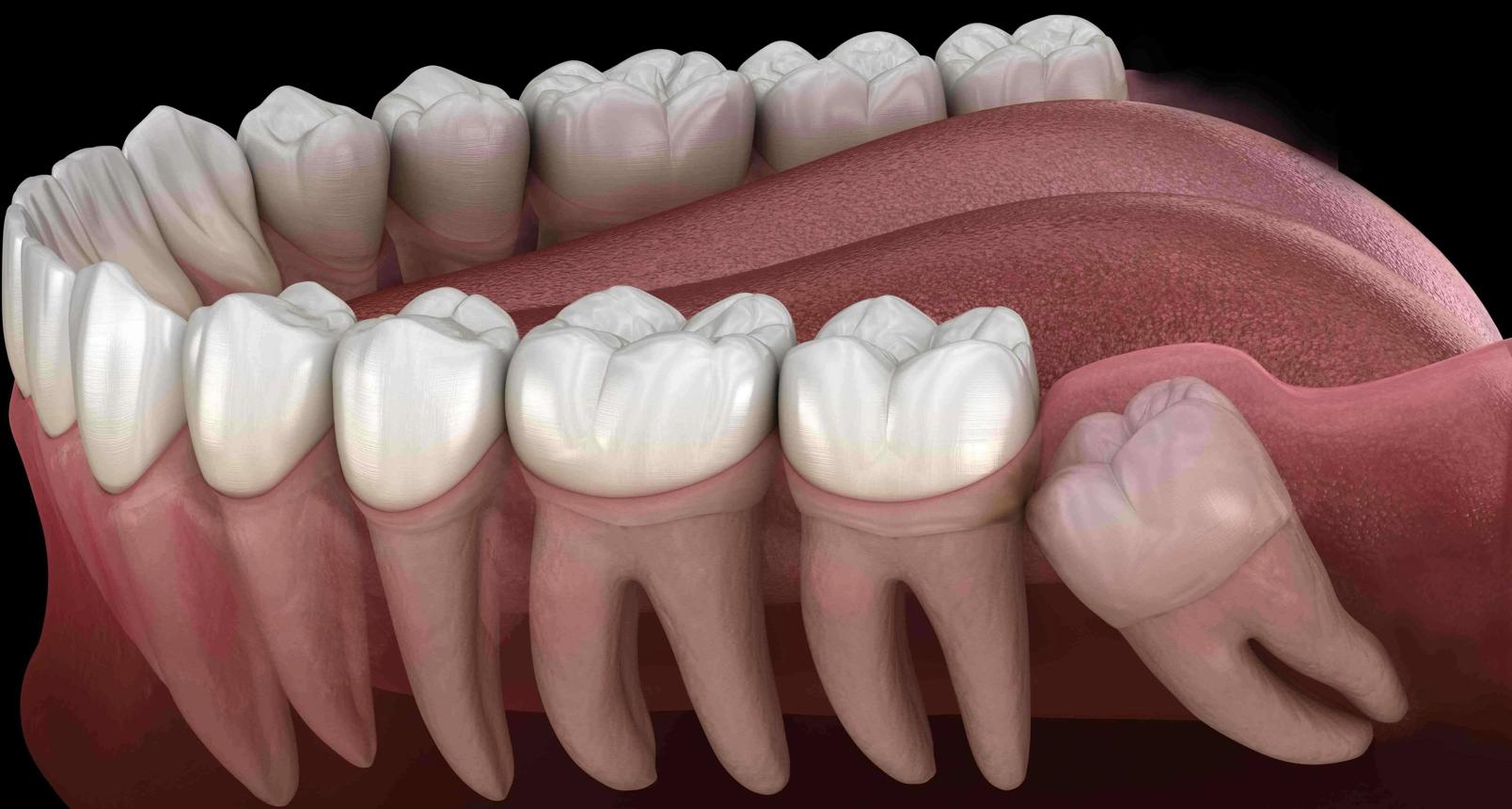
Impacted Wisdom Teeth: Teeth Trapped Under Gums
Impacted wisdom teeth occur when the teeth do not have enough space to grow normally, and become trapped beneath the gums or within the jawbone. Instead of fully growing, the tooth may grow at an angle, or remain partially or completely stuck under the gum tissue.
This can lead to pain, swelling, infection and pressure on nearby teeth. In many cases, dentists would recommend wisdom tooth removal to prevent further complications and protect overall oral health.
What Happens During Wisdom Tooth Removal
Wisdom tooth removal is a common dental procedure designed to safely remove wisdom teeth and prevent further complications. The process is usually straightforward and is performed by a dentist or an oral surgeon. Here are the typical steps involved:
Local anesthesia
Before the procedure begins, the dentist will administer local anesthesia to numb the area around the wisdom tooth.This ensures you do not feel any major pain during the procedure, only slight pressure.
Small incision
If the wisdom tooth is impacted or trapped beneath the gums, the dentist may need to make a small incision in the gum tissue to access the tooth. In some cases, a small amount of bone covering the tooth may also need to be removed.
Tooth removal
Once the tooth is accessible, the dentist will carefully loosen it from the surrounding tissue and remove it. Sometimes the tooth may be divided into smaller sections to make removal easier, and to reduce the impact on surrounding tissue.
Stitches
After the tooth has been removed, the dentist may place stitches to help the gum heal properly. These stitches are usually dissolvable, and will disappear on their own as the gum heals.
Wisdom Tooth Removal Recovery Timeline
Recovery after a wisdom tooth removal usually happens gradually, over the course of a few days. Whilst everyone heals at a different pace, most people follow this recovery timeline.
First 24 Hours
During the first day, after the procedure, it is important to keep control of bleeding. Your dentist will usually place gauze over the extraction site to help the blood clot form. It’s important to rest and avoid strenuous activities during this time, to allow the healing process to begin properly.
First 3 Days
Swelling and mild discomfort are common during the first few days after the procedure. By the third day, the swelling should start to gradually decrease as recovery continues.
One Week
Within about a week, the gums will begin to heal normally. Any dissolvable stitches will disappear on their own, and most people can return to their normal activities. However, it is still important to follow aftercare instructions to ensure the area heals completely.
When Should You See a Dentist for Wisdom Tooth Pain?
You should see a doctor or dental surgeon when you experience pain, swelling in the jaw or gums, persistent bad breath, or difficulty opening your mouth. Rarer symptoms include pain spreading around near teeth, and tooth decay. If you experience these symptoms, it is recommended to visit a dentist to determine if wisdom teeth are the cause.
FAQs
Is wisdom tooth removal painful?
No - anesthesia generally prevents pain during the procedure, though mild swelling and discomfort may occur for a few days after the procedure.
How long does wisdom tooth removal take?
Wisdom tooth removal usually takes 20-45 minutes per tooth, depending on how simple or complex the extraction is.
How long does recovery take after wisdom tooth removal?
Most people recover significantly within 4-7 days, with swelling and discomfort gradually improving.
Do all wisdom teeth need to be removed?
No - removal is only required if they currently, or are expected to cause problems, otherwise, they can be left, as long as they are healthy and easy to clean.