
Dental Implants in Dubai: Everything You Need to Know Before You Decide
Dental Implants in Dubai: Everything You Need to Know Before You Decide
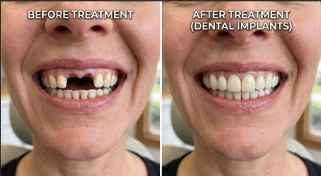
Missing a tooth might seem like a small thing — until you notice yourself avoiding certain foods, covering your mouth when you laugh or feeling your confidence dip in photos.
Tooth loss affects far more than appearance. It can impact how you chew, how you speak and even the long-term health of your jawbone and surrounding teeth.
Dental implants have become one of the most reliable and natural-looking solutions for replacing missing teeth. If you are considering implants but are not quite sure where to start, this guide will walk you through the process step by step.
Why Missing Teeth Are More Than Just a Cosmetic Issue
It is easy to think of a gap in your smile as purely an aesthetic concern. But beneath the surface, a missing tooth can set off a chain of changes that affect your wider oral health.
Bone Loss
Without a tooth root stimulating the jawbone, the bone in that area can gradually shrink over time through a process known as resorption.
Shifting Teeth
Neighbouring teeth can gradually move into the empty space, potentially contributing to bite problems and misalignment.
Chewing Difficulty
Missing teeth, particularly molars, can make certain foods more difficult or uncomfortable to chew.
Facial Changes
Long-term jawbone loss may gradually affect facial structure and can contribute to a more sunken appearance in areas where multiple teeth are missing.
Self-Confidence
Missing teeth can affect how freely you smile, speak and interact with others, particularly when the gap is visible.
Replacing a missing tooth is not simply about restoring appearance. It can also help protect your long-term oral health, chewing function and quality of life.
What Are Dental Implants?
A dental implant is designed to mimic a natural tooth as closely as possible in both function and appearance.
The Implant
The implant is a small titanium or zirconia post placed into the jawbone, where it acts as an artificial tooth root.
The Abutment
The abutment is a connector that attaches to the implant and provides support for the final replacement tooth.
The Crown
The crown is the visible replacement tooth. It is custom-made to match the shape, size and colour of your surrounding natural teeth.
Once placed, the implant gradually integrates with the jawbone through a process known as osseointegration.
This direct connection with the jawbone provides stability and allows the replacement tooth to function much like a natural tooth.
The Dental Implant Process Step by Step at Nava
Many patients feel more comfortable once they understand exactly what the implant journey involves.
Consultation & Assessment
Your treatment begins with a thorough evaluation, including digital imaging and 3D scans, to assess your bone density, gum health and overall suitability for dental implants.
Treatment Planning
Using detailed imaging, your dentist plans the precise position of the implant to support both function and natural-looking aesthetics.
Implant Placement
The implant is carefully placed into the jawbone under local anaesthetic. Sedation options may also be discussed for patients who feel particularly anxious about dental procedures.
Healing & Osseointegration
Over approximately 3–6 months, the implant gradually integrates with the jawbone. This healing period helps create a stable foundation for the final restoration.
Abutment Placement
Once healing is complete, an abutment is attached to the implant in preparation for the final crown.
Custom Crown Placement
Your custom-made crown is fitted and carefully adjusted so that it feels comfortable and blends naturally with your surrounding teeth.
Although the complete dental implant process may take several months, much of this time is simply allowing the implant and jawbone to heal naturally.
Am I a Good Candidate for Dental Implants?
Many healthy adults are suitable candidates for dental implants, although several factors need to be assessed before treatment.
The most reliable way to determine whether implants are suitable for you is through a clinical examination combined with detailed dental imaging.
What Is Bone Grafting and When Is It Needed?
When a tooth has been missing for some time, the jawbone in that area may gradually lose volume. This is a natural process and does not automatically mean that dental implants are no longer possible.
In some cases, bone grafting may be recommended to rebuild the jawbone before implant placement.
Bone grafting involves placing suitable graft material into an area where additional bone is required, helping create a stronger foundation for a future implant.
How Long Has the Tooth Been Missing?
The longer a tooth has been absent, the greater the possibility that some bone loss has occurred in that area.
Location of the Missing Tooth
Bone volume and anatomy differ throughout the mouth, so the location of the missing tooth can influence whether grafting is required.
Your Individual Bone Density
3D dental imaging helps your dentist measure available bone and determine whether additional bone support may be needed.
Not everyone needs a bone graft. If grafting is recommended, your dental team should explain why it is needed and how it may affect your overall treatment timeline.
Implants vs Bridges vs Dentures: Which Is Right for You?
This is one of the most common questions patients ask when considering how to replace missing teeth.
Dental Implants
- Longevity: Often 15–25+ years
- Bone health: Helps preserve the jawbone
- Nearby teeth: Does not normally require altering adjacent teeth
- Stability: Excellent stability and natural feel
- Best for: Single or multiple missing teeth
- Maintenance: Brushing and interdental cleaning similar to natural teeth
Dental Bridges
- Longevity: Commonly around 10–15 years
- Bone health: Does not replace the missing tooth root
- Nearby teeth: Usually relies on adjacent teeth for support
- Stability: Fixed and generally stable
- Best for: Certain gaps between neighbouring teeth
- Maintenance: Requires careful cleaning around and beneath the bridge
Dentures
- Longevity: Commonly around 5–10 years
- Bone health: Does not stimulate the jawbone like an implant
- Nearby teeth: Does not normally require reshaping neighbouring teeth
- Stability: Can sometimes shift or feel loose
- Best for: Partial or extensive tooth loss
- Maintenance: Usually requires regular removal and cleaning
Dental implants often provide the closest feel to natural teeth and offer important benefits for jawbone preservation. However, bridges and dentures remain valuable options depending on your oral health, treatment goals and budget.
How Long Do Dental Implants Last?
With good oral hygiene and regular dental care, dental implants are designed to provide a long-term solution and may last for decades.
The crown attached to the implant may eventually need replacement because of normal wear, while a successfully integrated implant itself may remain functional considerably longer.
What Do Dental Implants Cost in Dubai?
Dental implant costs in Dubai and across the UAE vary because every patient's treatment needs are different.
Factors that can influence the overall cost include:
- The number of implants required
- Whether bone grafting is needed
- The implant and restoration materials selected
- The complexity of your individual case
- Whether treatment involves a single tooth or multiple missing teeth
- Any additional procedures required before implant placement
Because each case is different, a personalised consultation provides a more accurate estimate than relying on general prices found online.
During your consultation at Nava Dental Clinic, your dental team can explain the treatment stages, expected timeline and associated costs before you proceed.
Frequently Asked Questions
Is getting a dental implant painful?
Implant placement is performed under local anaesthetic, so the treatment area is numbed during the procedure.
Some soreness or swelling can occur afterwards, but your dentist will provide appropriate aftercare instructions to help keep you comfortable during recovery.
How long does the entire dental implant process take?
The complete process commonly takes several months, with much of the timeline allowing the implant to integrate naturally with the jawbone.
Healing and osseointegration commonly take around 3–6 months, although individual treatment times can vary.
Can I get a dental implant if I lost a tooth years ago?
Yes, dental implants may still be possible even when a tooth has been missing for several years.
If significant bone loss has occurred, bone grafting may be recommended before implant placement.
Are dental implants better than dentures?
Dental implants provide excellent stability and help preserve jawbone health, while dentures remain a useful treatment option for many patients.
The best choice depends on your oral health, treatment goals, anatomy and budget.
How do I know if I am a good candidate for dental implants?
The best way to determine your suitability is through a dental consultation that includes an examination, imaging and review of your oral and general health.
This allows your dentist to provide a personalised recommendation based on your individual circumstances.
Ready to Explore Dental Implants?
Choosing to replace a missing tooth is an important decision — one that deserves clear information, careful planning and a treatment approach tailored to your needs.
At Nava Dental Clinic, our team can guide you through every stage, from your first consultation and digital assessment through implant placement and your final restoration.
Book Your Dental Implant Consultation
Take the first step towards restoring the comfort, function and confidence of your smile.